
Boundaries That Provide Privacy and Durability
Fencing in San Mateo for properties needing secure perimeters and visual separation
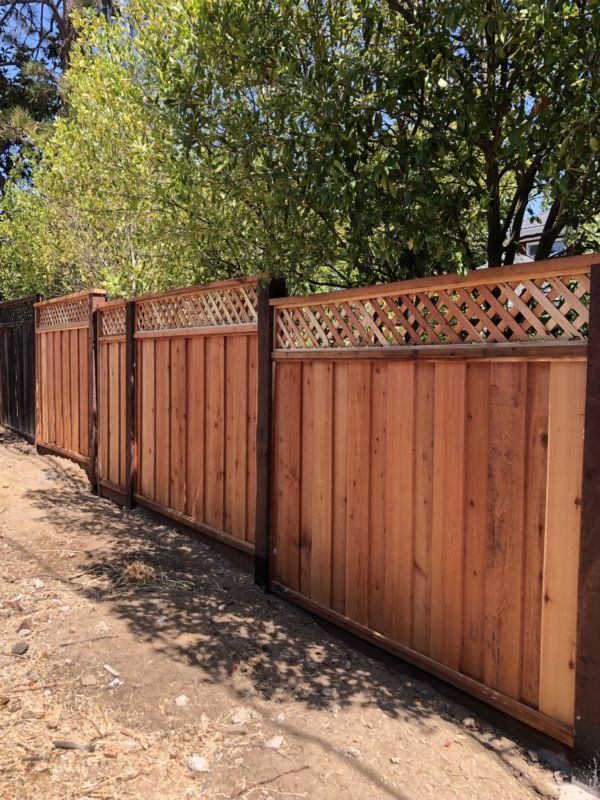
Fences that lean, show rotted posts, or have missing boards compromise both function and appearance, leaving property lines unclear and reducing curb appeal. ACI Carpentry installs and repairs residential wood fencing throughout San Mateo, addressing the need for privacy, security, and defined boundaries with durable construction methods. Projects include full fence installations on properties establishing new perimeters, replacing aged sections where posts have failed or boards have deteriorated, and repairs that extend the life of existing fences showing isolated damage rather than systemic failure.
The installation process begins with confirming property lines and identifying underground utilities before digging post holes. Posts are set in concrete below frost depth to prevent seasonal heaving, and the fence line is established with string guides to ensure consistent height and straightness. Board installation involves spacing pickets uniformly, securing rails properly to prevent sagging, and finishing the top edge to shed water rather than trap it. Material selection and construction techniques account for wind exposure and how the fence integrates with the property's landscaping.
Request a fencing estimate to review your property layout and discuss installation or repair options.

A well-built fence remains plumb and stable through wind events and seasonal weather changes. The difference lies in how posts are set—concrete footings prevent movement that causes leaning over time—and how rails attach to posts with fasteners that resist pull-out. Proper construction also addresses drainage around post bases so water doesn't accumulate and accelerate rot, and boards are installed with spacing that allows for wood expansion without buckling.
Once the fence is complete, you'll notice a consistent sight line with no leaning sections or gaps between boards, posts that remain firmly planted without wobble, and gates that swing smoothly and latch securely. The structure defines property boundaries clearly while complementing the home's exterior style. These functional and visual improvements matter for everyday use and affect how the property presents from the street.
Fencing projects also involve choosing between solid privacy designs and open styles that allow airflow, deciding on fence height based on intended purpose and local regulations, and determining whether gates require single or double-door configurations. These considerations shape the final design before materials are ordered or post holes are dug.
Common Questions About This Service
Property owners planning fence installations or repairs typically want clarity on materials, construction methods, and how long the project will take.
What wood types are commonly used for residential fencing?
Redwood, cedar, and pressure-treated pine are standard choices, each offering different balances of cost, natural rot resistance, and appearance. Cedar and redwood weather to a silvery gray patina if left untreated, while pressure-treated lumber maintains structural integrity at a lower initial cost.
How deep should fence posts be set?
Posts typically extend below the frost line to prevent heaving, which varies by region but generally means at least two feet deep in the San Mateo area. Concrete footings add stability and prevent posts from shifting in soft or sandy soil conditions.
What causes fences to lean over time?
Inadequate post depth, lack of concrete footings, and rotted post bases are primary causes. Wind pressure on solid fence panels also contributes when posts aren't firmly anchored, and gate posts require additional bracing due to the repetitive stress of opening and closing.
Can partial fence sections be replaced to match existing fencing?
Replacing isolated damaged sections works when the remaining fence remains structurally sound. Matching wood type and stain color helps blend new sections with weathered existing boards, though exact color matches become difficult as wood ages.
How long does a typical fence installation take?
Project duration depends on fence length, terrain challenges like slopes or rocky soil, and design complexity. Straightforward installations on level ground proceed faster than projects involving gates, varied elevations, or difficult digging conditions.
ACI Carpentry delivers wood fencing solutions customized to property layouts and built for long-term performance. Schedule an appointment to discuss your fencing project and receive a detailed estimate based on your specific site conditions.